


Last weekend, footage leaked from Dave Chappelle’s set at Madison Square Garden.
The shows were phone-free, and the full set isn’t available to the public. All we have are cell phone recordings.
In the clip above, Chappelle says that ever since Charlie Kirk got murdered, he feels better.
There’s a second clip from the same night.

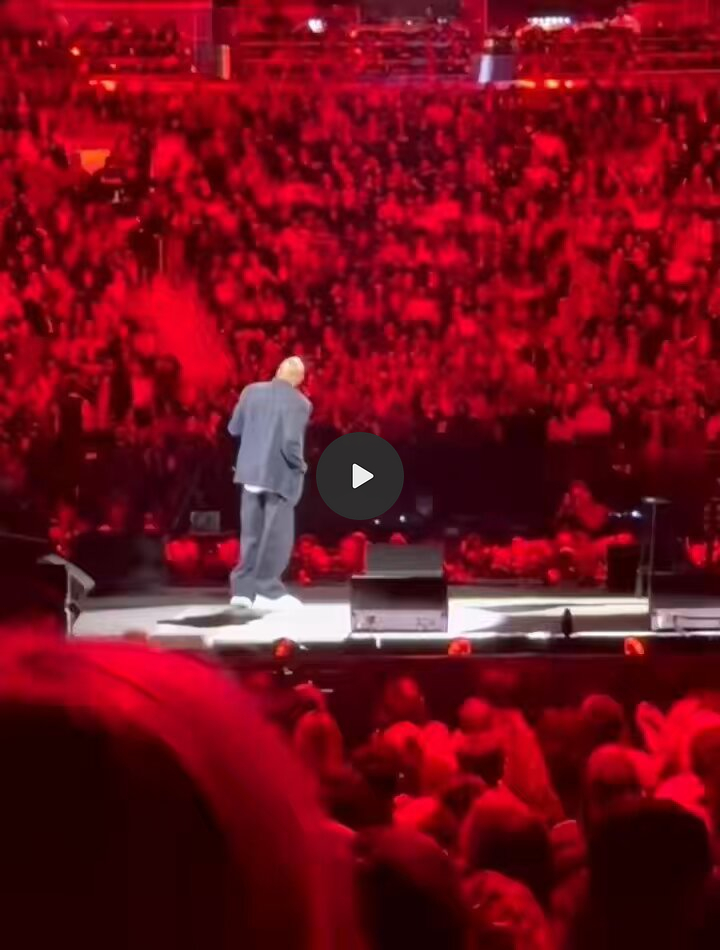
In it, Chappelle says he’s sure Charlie Kirk is “looking up at us right now, laughing so hard he can’t breathe.”
This caused an uproar, particularly on the right.
The top responses range from indignation that anyone would make such a joke to defenses of it as a callback. In May, at Netflix’s roast of Kevin Hart, Tony Hinchcliffe made the same joke about George Floyd.
So now the left and the right are fighting over what kind of person Charlie Kirk was, with each side surfacing its favorite clips to make its case.
All of it is missing the point.
The point
Who Charlie Kirk was is a separate argument.
Whether a comedian has free speech is settled. He does.
Whether the joke was funny, or whether it was a joke at all, is a matter of taste.
The point is the crowd.
The moment Chappelle mentioned Charlie Kirk getting murdered, people in that room cheered and laughed.
Before there was a punchline. Before anyone knew what he was going to say.
The spontaneous response from a significant part of the crowd was to cheer the assassination of a man whose “crime” was his speech.
We are so politicized that we can’t have a conversation about principles, because everyone is fixated on a person.
You’ve seen me write articles and publish video about what Charlie said, trying to get people to look at it in a different light. You can view the master video here:

This incident has very little to do with who Charlie was.
It’s about the norms we have around violence.
What the cheering costs
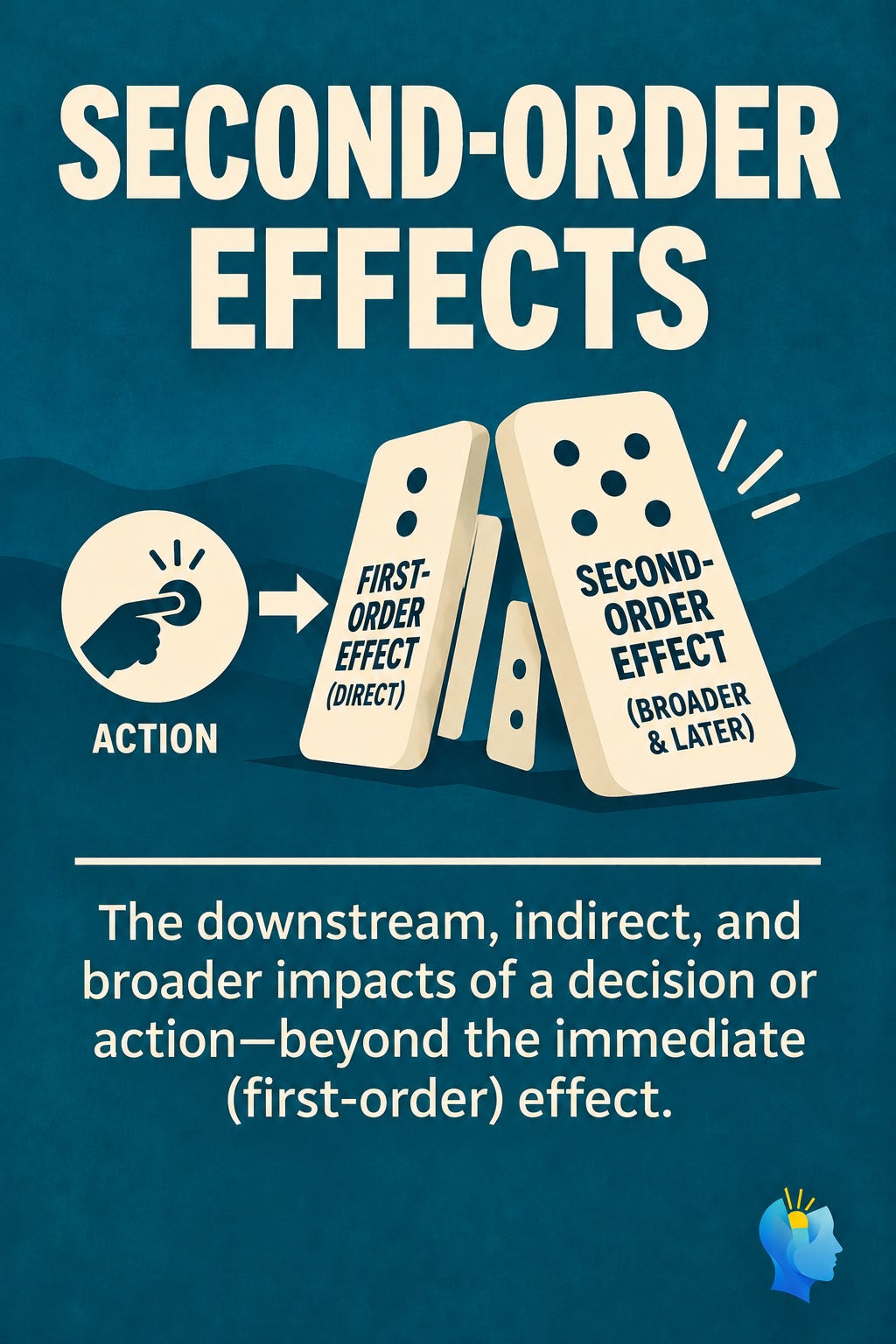
Violence isn’t taken seriously anymore because people think in first-order effects and ignore second-order effects.
First order: a man I dislike is dead, and I feel better.
Second order: the next person who wants to kill someone over their words just watched the crowd cheer.
Your feelings signal what’s acceptable. And you get what you encourage.
It would be easy to wag a finger here and tell people to be better.
That’s ineffective. It also misses the point, which is this:
Violence from any citizen toward any other citizen over differing beliefs is a threat to all of us.
When it happens to an influencer none of us have met, it can feel remote.
But you know that feeling that it’s impossible to talk about politics because you fear the reaction?
That’s the micro version of the macro problem. Discourse is no longer civil, and it now happens against a backdrop of potential violence.
I felt this myself when I lived in LA.
There was a period of several weeks when I was legitimately concerned that someone would come to my apartment, where I had no security, and take out their issues with what I say online on me, through force.
What I experienced, and what people with bigger platforms experience, is greater in degree. It’s identical in species to what you feel at the dinner table.
Chappelle knows the feeling too.
From here, you’ll learn:
A moment that connects Chappelle and Charlie, and why it matters here
Why “it’s free speech” and “it’s just honest” aren’t the end of the conversation
Where political violence in America stands today, and what I’d encourage all of us to do about it
